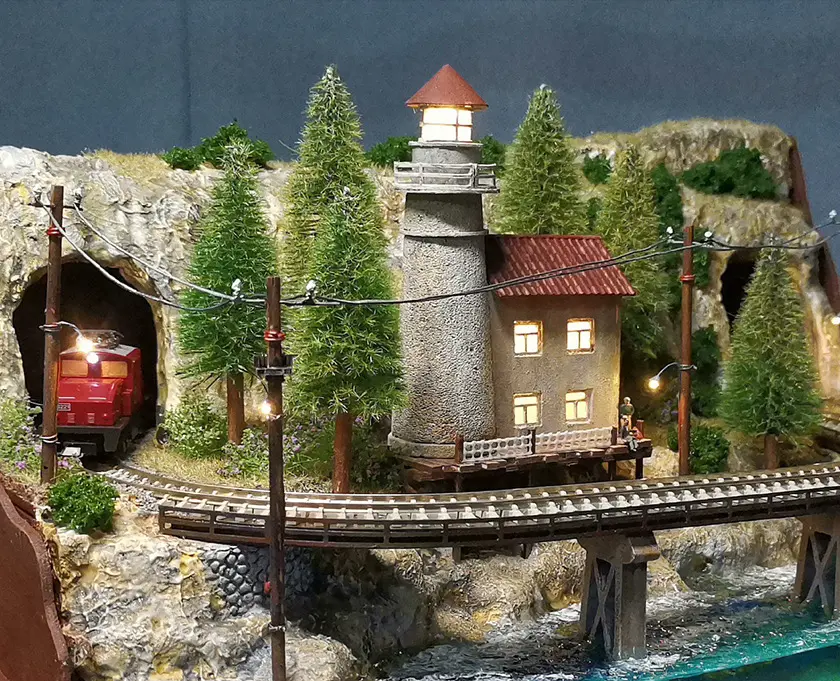
How to Make a Model Railway Tree? Exploring the Application of Different Types of Miniature Trees in Model Railways
Model railways are beloved by enthusiasts around the world, not just for their impressive trains, tracks, and stations, but also for the realistic landscapes that bring these scenes to life. One of the most crucial elements of any model railway scenery is the addition of trees. Trees not only add realism but also help create a sense of scale, depth, and atmosphere to your miniature world.
In this blog, we will explore how to create model railway trees, understand their various types, and discuss how they can be effectively applied to model railway setups. Let’s dive into the wonderful world of miniature model trees and enhance your next railway project!
1. Why Trees Matter in Model Railways
Trees serve as essential elements in model railways, adding character to landscapes, filling empty spaces, and enhancing the scenic environment. Whether you’re aiming for a lush forest, a cozy countryside, or an urban park, trees can transform a basic model into a lifelike, immersive experience.
Different trees can be used to reflect various seasons, regions, and climates, making them versatile additions to your model railway. Moreover, well-placed trees help to draw attention to key features, such as train stations, bridges, or tunnels, enhancing the overall aesthetic and storytelling of your layout.
2. Understanding Different Types of Model Railway Trees
When it comes to miniature trees, there is no one-size-fits-all approach. There are various types of model trees, each suited for different settings and purposes. Let’s explore the common types used in model railways:
a) Deciduous Trees
- Description: Deciduous trees are characterized by their broad leaves that change color with the seasons and shed in the fall. Popular types include oaks, maples, and birches.
- Application: These trees are perfect for creating realistic autumn scenes with vibrant red, orange, and yellow foliage. They can also be used for spring or summer layouts with lush green leaves.
- Tip: To enhance realism, consider using trees with slight variations in size and shape to mimic natural diversity.
b) Coniferous Trees (Evergreens)
- Description: These are trees with needle-like leaves that remain green all year round, such as pines, firs, and spruces.
- Application: Ideal for winter-themed layouts or alpine railway scenes. They also add height and texture to forested areas in any season.
- Tip: Add a dusting of white flocking to the branches for a snowy effect, perfect for Christmas or winter settings.
c) Flowering Trees
- Description: Flowering trees like cherry blossoms, magnolias, or apple trees are great for adding pops of color and seasonal charm.
- Application: These are perfect for spring scenes, especially in urban or rural layouts where parks and gardens are featured.
- Tip: Use sparingly for accents; too many flowering trees can overwhelm the scene.
d) Shrubs and Bushes
- Description: Low-lying shrubs and bushes are essential for ground cover and adding texture to landscapes.
- Application: Use them along the edges of tracks, around buildings, or as fillers in forests. They help to smooth transitions between different landscape elements.
- Tip: Mixing various shades of green adds depth and prevents monotony.
e) Dead or Bare Trees
- Description: These are trees without leaves, representing trees in winter or those that have died.
- Application: Great for late autumn or winter-themed layouts, or for adding an eerie atmosphere to abandoned railway tracks.
- Tip: Pair with other seasonal elements like fallen leaves or snow for added realism.
3. How to Make Your Own Model Railway Tree
Making your own model trees can be a rewarding way to personalize your railway layout. Here’s a simple guide on creating a basic deciduous tree:
Materials Needed:
- Floral wire or twisted copper wire
- Brown paint or wood stain
- Flocking or foliage material (green, autumn colors, or snow)
- PVA glue (white glue)
- Scissors and pliers
Step-by-Step Guide:
-
Create the Trunk and Branches:
- Cut several pieces of floral wire to the desired length.
- Twist the wires together to form a trunk, leaving the top sections loose to spread out as branches.
- Use pliers to shape the branches and adjust their angles for a natural look.
-
Add Texture to the Trunk:
- Apply a coat of brown paint or wood stain to the wire trunk to mimic bark.
- For added realism, sprinkle fine sand on the wet paint to create a rough texture.
-
Attach Foliage:
- Apply PVA glue to the branches and sprinkle flocking material over them.
- Shake off excess flocking and allow the glue to dry completely.
- For flowering or autumn trees, use appropriately colored flocking.
-
Finish and Install:
- Trim the branches if necessary and bend them into the desired shape.
- Attach the tree to your railway base using glue or drill a small hole for a secure fit.
4. Applying Trees to Your Model Railway Layout
Strategic placement of trees can dramatically improve the look of your railway model. Here are some tips for using trees effectively:
- Create Layers: Use a mix of tree sizes and types to build a layered, natural look. Taller trees at the back and shorter bushes at the front can create depth.
- Highlight Features: Frame important elements like train stations, bridges, or signal towers with trees to draw the viewer’s eye.
- Seasonal Scenes: Choose tree types that reflect the season you are depicting—use bare trees for winter, colorful trees for autumn, and flowering trees for spring.
- Natural Groupings: Place trees in clusters rather than rows to mimic how they grow in nature.
5. Conclusion: Bring Your Model Railway to Life
Adding trees to your model railway layout is one of the most effective ways to enhance its realism and charm. Whether you choose to craft your own trees or purchase handmade model trees, each type adds a unique touch to your scene. Remember, the key to a realistic layout is variation and thoughtful placement.
If you’re looking to buy handcrafted model trees, MasteryCrafts.com offers a wide range of miniature trees suited for all model railway needs. With over 20 years of experience in crafting realistic model trees, we can help bring your railway layouts to life. And if you’re unsure, you can always place a small order to test our products before committing to a larger purchase.
Happy railroading, and may your model landscapes be filled with lush, lifelike trees!