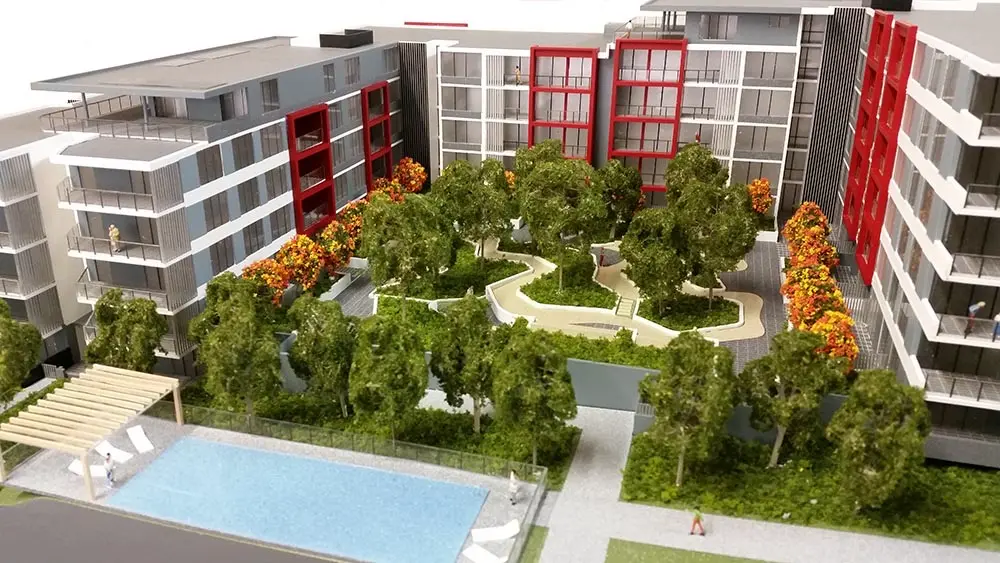
How to Make Architectural Model Trees?
Architectural model trees play a crucial role in enhancing the realism and atmosphere of architectural presentations. Whether you’re showcasing a residential development, urban planning project, or landscape design, well-crafted miniature trees can transform a basic model into a vibrant, lifelike environment. The choice of materials, construction techniques, and the final visual effect all contribute to how the model trees integrate into the overall architectural layout. In this guide, we’ll walk you through the process of making architectural model trees and explore the different options available for achieving various effects.
�1�
Model trees in architectural presentations serve several key functions:
- Adding Realism: They help viewers envision how a project will look in its natural or designed environment. Trees provide context for scale and proportion, making the overall design more relatable and tangible.
- Creating Atmosphere: Trees introduce color, texture, and natural elements that enhance the mood of a design—whether it’s the lush green foliage of a park, the delicate spring blossoms of an urban square, or the bold silhouettes of trees in a modern cityscape.
- Highlighting Landscape Design: Whether your project includes green spaces, streetscapes, or parks, architectural model trees highlight the landscaping elements and can dramatically affect the model’s overall composition.
�5�
There are several types of model trees that architects and designers use in their presentations, each offering a different aesthetic and level of detail. The two most common types are metal wire trees and plastic trunk trees, though both can be customized to reflect the specific vision of the project.
�8�
Metal wire trees are one of the most popular and versatile options for architectural models, especially when a high degree of realism is required. The trunks and branches of these trees are made from flexible metal wire, which can be twisted, bent, and shaped into a variety of tree forms.
- Materials: Fine steel wires or copper wire are commonly used for their strength and flexibility. The wire is twisted into various thicknesses to form the trunk and branches, while additional details like bark texture and branch shapes are manually crafted.
- Customization: Metal wire trees can be made to resemble a broad variety of tree species, from tall, slender pines to wide-branched oaks. The wires are then coated with a base color or texture, and the foliage is applied using materials like foam, dyed sponge, or static grass to create realistic leaf clusters.
- Effect: Metal wire trees offer exceptional realism, especially in close-up views. The flexibility of the wire allows for highly customizable and intricate designs. These trees are often used for larger-scale architectural models where the trees need to convey a true-to-life sense of scale and detail.
�12�
Plastic trunk trees are another widely used option, particularly in situations where ease of assembly and consistency are priorities. These trees feature molded plastic trunks, which come in a variety of pre-made forms that can be easily attached to custom foliage materials.
- Materials: These trees are typically made from durable plastic or resin, which is molded into realistic, textured tree trunks. The plastic is often painted or textured to resemble bark or rough surfaces.
- Customization: The foliage is usually applied after the trunk has been molded, and can be made from various materials like plastic leaves, foam, or fine-textured fabrics. Plastic tree models often feature uniform branches and smoother shapes compared to metal wire trees.
- Effect: While plastic trees may not offer the same level of intricate detailing as handcrafted metal wire trees, they are an excellent choice for mass production of model trees or for designs that require a more uniform appearance. These trees work well for smaller-scale models or designs where the trees are viewed from a greater distance.
�16�
Creating architectural model trees involves several key steps, from planning the design to finishing touches. Here’s an overview of the process:
- Choose Your Materials: Decide on whether you’ll use wire (for handcrafted trees) or plastic (for molded trees). Select your foliage material—foam, sponge, static grass, or plastic leaves—based on the look and scale you’re aiming for.
- Prepare the Tree Trunk:
- For wire trees: Cut the wire to the desired length and start twisting the wires to form the trunk. Add smaller branches by twisting thinner wires onto the main trunk and shaping them into the desired tree form.
- For plastic trees: Use pre-molded plastic trunks or create your own using plastic sheets or resin molds. Ensure the trunk has a realistic texture by painting or texturing it to resemble bark.
- Shape the Tree: Bend and shape the branches and trunk of the tree to mimic the desired species. Use pliers or your hands to manipulate the wire for a more organic shape, or use scissors to trim plastic trunks to size.
- Add Foliage: Apply the foliage to the branches of the tree. For wire trees, use foam or sponge materials that have been dyed to the correct colors, gluing them onto the branches in small clusters. For plastic trees, attach pre-made plastic leaves or foam clumps to the branches.
- Detailing and Texturing: Add final touches like realistic bark effects on the trunk, fine details in the foliage (such as autumn coloring or blossoming flowers), and any small environmental elements like moss or fallen leaves.
- Final Touches: Once the tree is complete, it can be glued or placed in its intended location within the architectural model. You may also need to make multiple trees of varying heights and densities to give your model a more natural, diverse landscape.
�23�
The type of tree you choose for your architectural model should complement the overall design. Here are a few considerations:
- For Large, Detailed Models: Metal wire trees are the best choice when fine detail is important. They are ideal for large-scale models or for when the trees need to be the focal point in the scene.
- For Smaller, Uniform Layouts: Plastic trunk trees are a good option for smaller layouts or where uniformity and ease of production are more important than intricate detail. They also work well for mass-production models, such as model cityscapes.
- For Special Effects: You can combine both types of trees in a single model to create contrast—use metal wire trees in the foreground or in areas requiring more detail, and plastic trees in the background or areas where fine detail is not as crucial.
Architectural model trees are an essential part of creating realistic and engaging architectural presentations. Whether you choose metal wire trees for their customizable detail and natural realism, or plastic trunk trees for their convenience and uniformity, these miniature trees will help convey the landscape’s beauty and bring your architectural vision to life. By selecting the right materials and techniques, you can create trees that perfectly match the scale, atmosphere, and context of your model, ultimately enhancing the impact and clarity of your architectural designs.