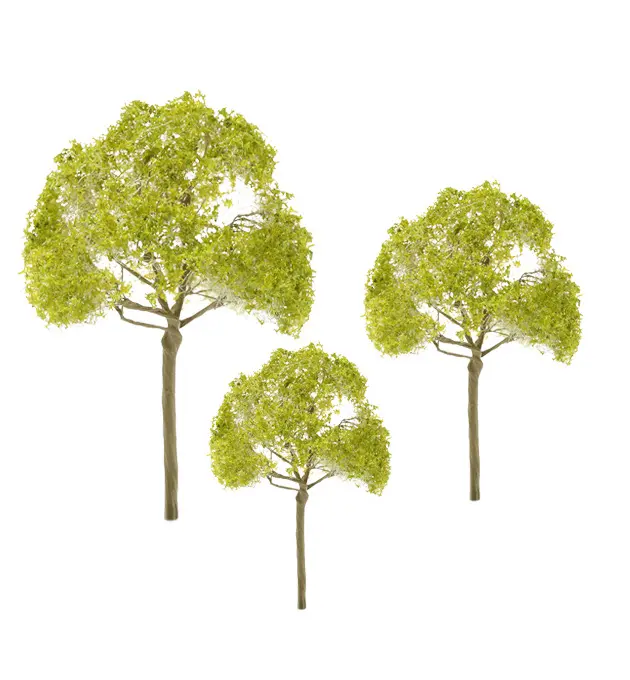
How to Make Architectural Model Tree White?
In architectural model making, trees are often used not just for their natural beauty but also for conceptual or abstract purposes. One of the most striking effects in model making is the use of white architectural model trees, which can transform a design presentation into something ethereal, minimalist, and conceptually focused. White trees serve as powerful visual tools that help convey specific design intentions, particularly in showcasing a pure, conceptual vision or in creating particular environmental effects such as snow scenes, winter landscapes, or artistic renderings of the built environment.
In this guide, we will explain how to make architectural model trees white and explore the scenarios where these trees are particularly effective in architectural presentations.
�2�
White model trees are typically used for two primary purposes:
- Conceptual and Abstract Design: Architects often use white trees in early design models to present a clean, simplified view of a project. The lack of color draws focus to the structure and spatial arrangement of the design, rather than the distractions of the landscape or seasonal variations. This minimalistic approach emphasizes form, geometry, and scale, allowing the viewer to focus on the building’s core concept.
- Creating Seasonal or Environmental Effects: White trees can be used to depict winter scenes, creating the illusion of snow-covered branches or cold, frost-bitten landscapes. Whether you’re modeling a winter urban park or a remote snowy village, white trees are perfect for capturing the stillness and purity of a snow-covered environment. They can also be used in artistic landscapes where the white trees contrast with bright colors of surrounding elements, enhancing the visual impact.
�5�
Creating white architectural model trees involves a few key steps, from choosing the right materials to applying a white finish that reflects the desired effect. Here’s how you can create your own white model trees, whether you’re crafting trees for conceptual purposes or snow-covered winter landscapes.
�6�
- Tree Trunk (Metal Wire or Plastic): Choose between metal wire (for flexible, handcrafted trees) or plastic trunk models (for simpler, uniform shapes). Both materials can be adapted for a white finish.
- Foliage Material: Depending on the type of tree you’re making, you’ll need foliage material such as foam, sponge, or static grass. These materials can be painted white or replaced with white-colored materials to give the desired effect.
- White Paint: Acrylic or spray paint in a matte or semi-gloss finish works well to coat the tree and foliage. It’s important to select a paint that will adhere to the chosen materials and retain its color without yellowing over time.
- Snow or Frost Effect (Optional): To create the appearance of snow or frost, you can use materials like fake snow, flocking, or glitter, which can be applied on top of the white-painted tree for added texture and realism.
�11�
- Prepare the Tree Trunk:
- For metal wire trees: Start by twisting and shaping the wire into the desired tree form. Shape the trunk and branches to match the species or style you’re aiming for. If you want a natural, abstract look, keep the form simple and organic.
- For plastic trunk trees: Use pre-made molded trunks or create your own by shaping plastic material. Once shaped, ensure the tree trunk has a realistic texture or finish by painting it a neutral or light color that will complement the white foliage.
- Prime the Tree Trunk (If Necessary): If you’re working with a metal wire trunk, it’s a good idea to prime the wire with a white spray primer before applying the final coat of paint. This ensures that the paint adheres well and creates a consistent white finish. For plastic trunks, this step is optional as many plastic materials can be painted directly with acrylic paint.
- Apply White Paint to the Trunk: Once the tree trunk is shaped and primed (if necessary), use a white paint (either spray or acrylic) to coat the trunk and branches. For a smooth, uniform look, apply thin coats of paint and allow each layer to dry before applying the next. This ensures an even finish without clumps or streaks.
- Create the Foliage: The foliage can be made from foam, sponge, or static grass material. Start by cutting the foam or sponge into small pieces that will be glued to the branches. Then, paint the foliage white using acrylic paint or spray paint. If you want a soft, fluffy look, you can use cotton batting or snow flocking material to add texture to the white trees. For a snow-covered look, sprinkle fake snow or glitter on the foliage after painting it white to give it a frosted appearance.
- Add Texture or Snow Effects (Optional): If you’re aiming for a snow-covered look, you can use materials like fake snow, snow flocking, or even white glitter to create a layered texture that mimics freshly fallen snow. These can be applied by gently brushing or sprinkling the materials onto the branches while the paint is still slightly tacky. This adds depth and texture, making the tree look as though it’s been dusted by snow or frozen in winter.
- Finishing Touches: After the paint and any additional effects have dried, you can attach the finished tree to your architectural model base. If you’re creating a conceptual design, position the white trees strategically to complement the overall layout. For winter landscapes, scatter fake snow or ice effects around the tree for added realism. For abstract concepts, place the trees in a minimalist arrangement to maintain the focus on the architectural design.
�20�
- Conceptual Models: White trees are perfect for conceptual architectural models, where the focus is on form and space rather than the specifics of landscaping. These trees provide a clean, neutral backdrop that allows the viewer to focus on the architecture itself, highlighting the project’s massing and spatial relationships.
- Winter or Snowy Landscapes: White trees are ideal for depicting winter scenes in architectural models. Whether it’s a city square covered in snow or a rural winter retreat, the white trees create a serene and cold atmosphere that evokes a sense of stillness and beauty in the design.
- Artistic or Abstract Designs: In some architectural models, white trees can be used as an artistic statement to create visual contrast with the surrounding elements. The stark whiteness of the trees against vibrant or neutral-colored buildings can convey a sense of purity, minimalism, or other artistic themes.
Making architectural model trees white is a great way to bring an abstract, minimalist, or seasonal effect to your architectural presentations. Whether you’re aiming to create a conceptual design or a winter landscape, the process of turning trees white involves careful preparation, paint application, and creative texturing. White trees not only elevate the aesthetic value of your model but also help to focus attention on the architectural features, creating a powerful visual impact that captures the essence of your design.